
Canine Heritage: The Bracco Italiano
Every breed carries a history. Every dog carries it forward in their own way.
Pascal and Rousseau carried theirs through pine needles and tall grass on a cold winter afternoon, and it was something to watch.
Heritage, Instinct, and the Bond That Built a Breed
It was 1pm. Full sun. That particular winter light that's bright but still carries a chill.
Five people. Three dogs. Pine needles under our boots and tall grass brushing against our legs. No sounds except quiet conversation and the steady rustle of dogs working through cover.
Pascal and Rousseau exploded out of the vehicle like they had been waiting their entire lives for that exact moment.
Technically, they had.
This was a low-key upland hunt at Honey Hill Hunting Preserve. No crowds, no pressure. Just good company and dogs doing exactly what they were bred to do.
If you've never seen an upland hunt before: picture dogs working ahead of their handler, sweeping the field in wide arcs, noses down, testing every shift in scent. When they catch bird, everything changes. The body stiffens. The world narrows. They lock on point. Still. Focused. Intense.
But before that happens?
Chaos.
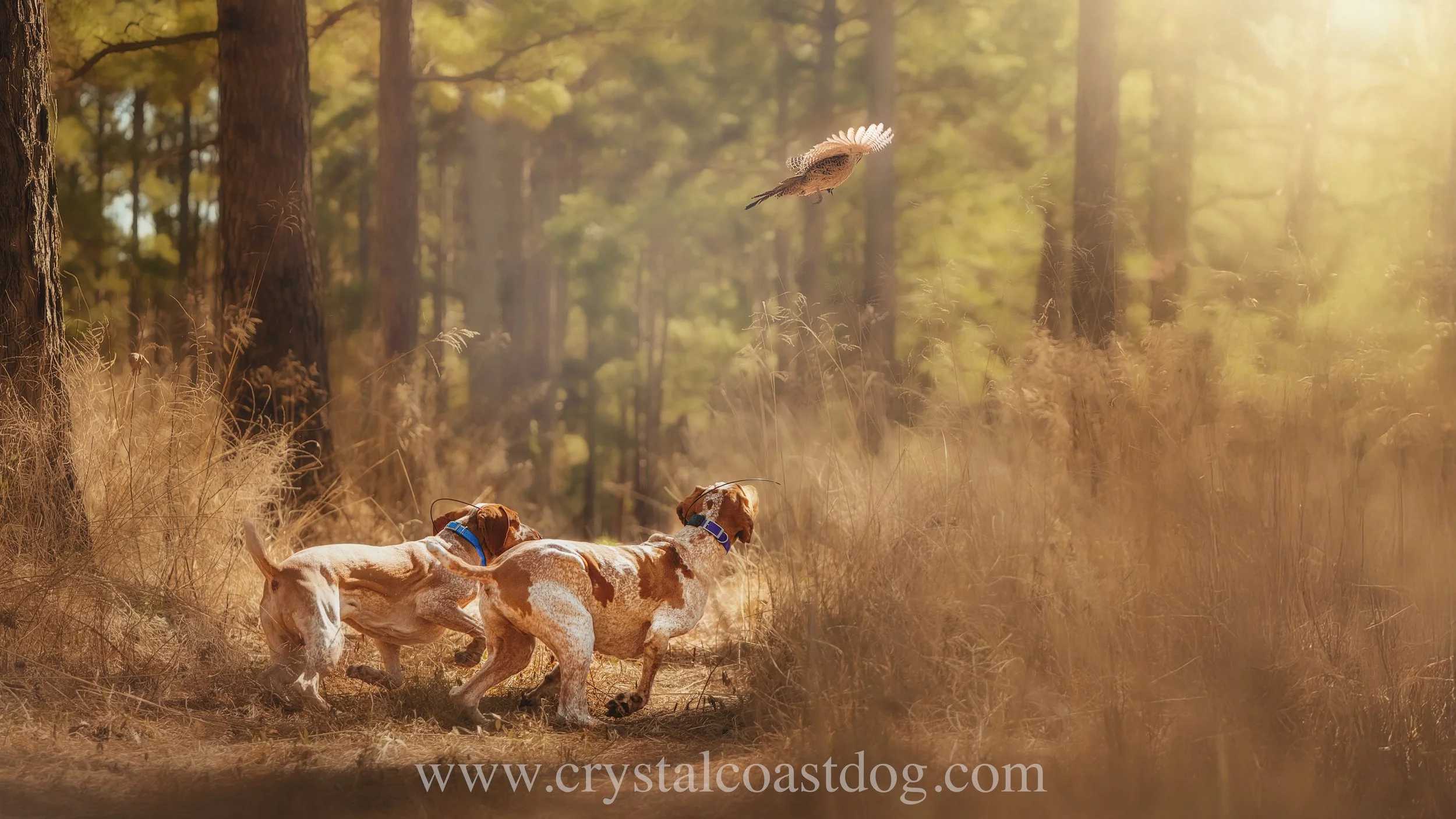
Pascal is four. Rousseau is three. At the start, they bounced through the brush like Tigger let loose in a briar patch. Pure joy. Pure drive. It was, objectively, comical.
Then they found their groove.
And when they did, it was beautiful.
The Oldest European Pointer
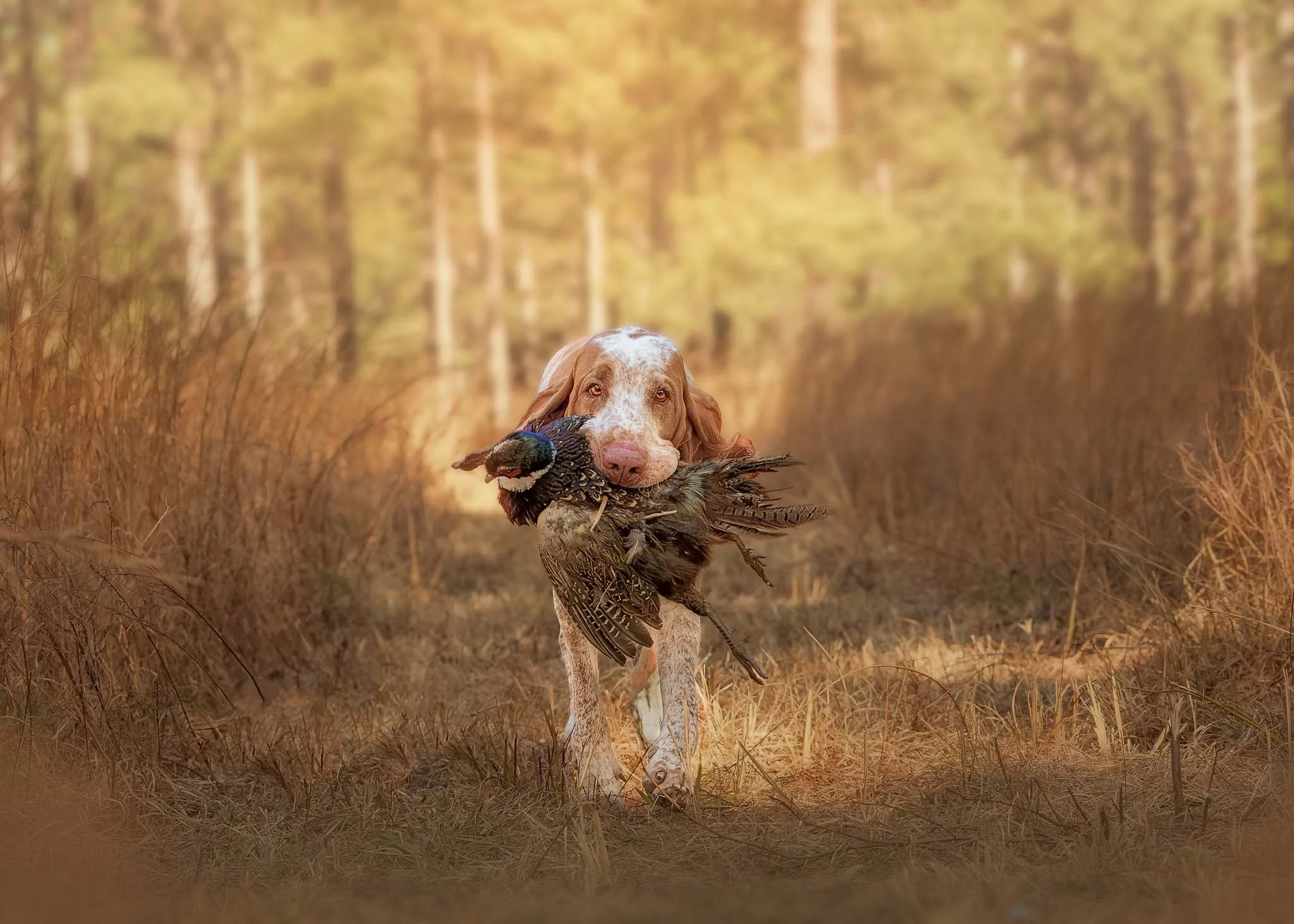
The Bracco Italiano is often called the oldest European pointer, with roots stretching back centuries. They were developed as versatile hunting partners built for endurance, scenting ability, and something that sets them apart from many sporting breeds: cooperation.
These are not dogs bred to run independently and check back in when it's convenient. They are thinkers. Partners. They want to understand what's being asked of them, not simply comply.
Kailee, their owner, didn't arrive at the breed by accident.
Her first dog was a Basset Hound. She loved the classic hound look, but for her next dog she wanted something with a sporting dog mindset. Eager. Intelligent. Willing to work alongside her.
Then she saw a photo of a Bracco Italiano.
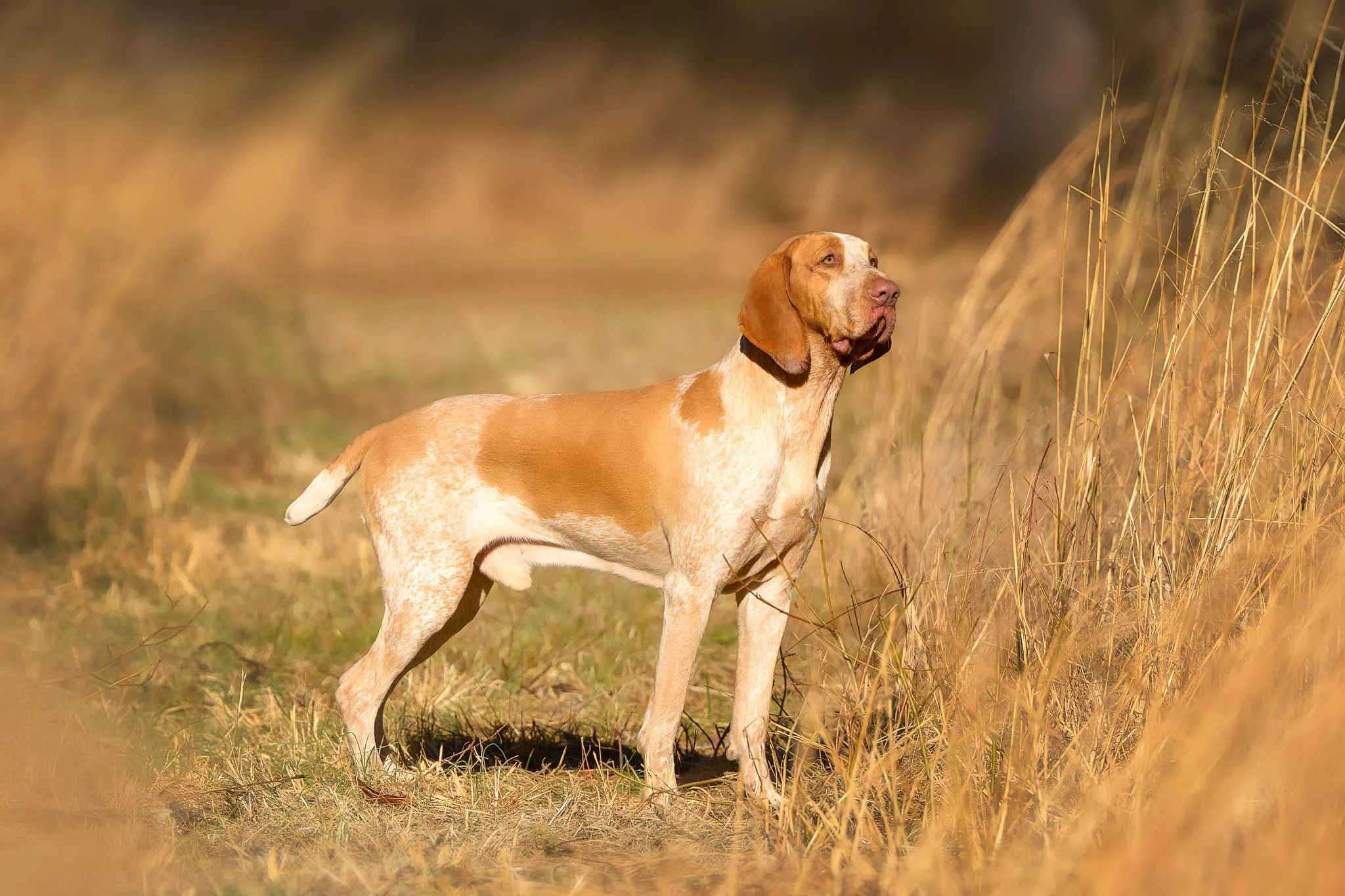
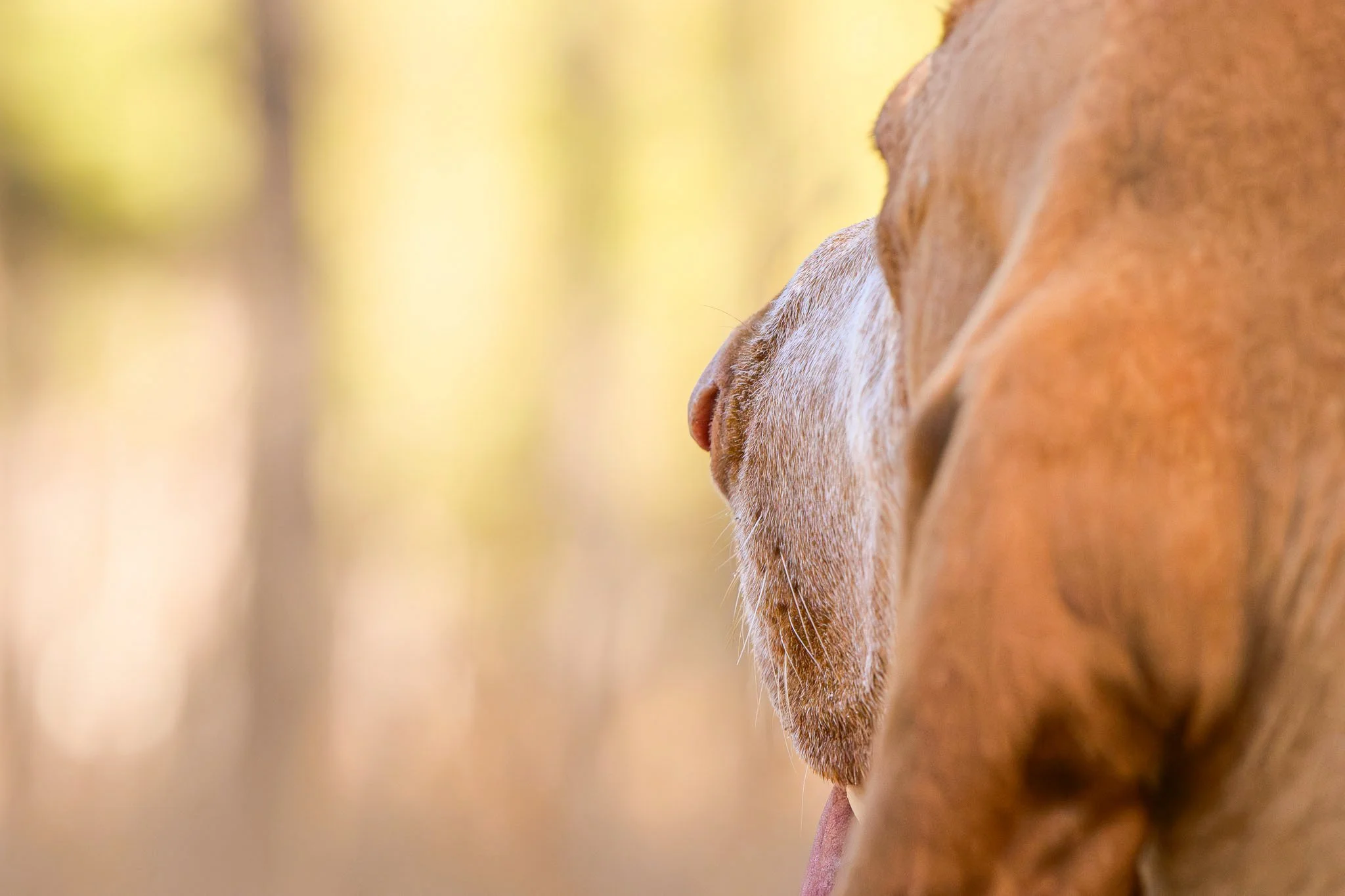
The long ears. The loose skin. That sculpted, expressive head. The hound dog appearance paired with sporting purpose.
She started researching and found everything she was looking for. Smart. Loyal. Eager to please. Deeply bonded to their people.
She told me something I keep thinking about.
Bracchi can be softer than other versatile hunting dogs. They respond best to a firm but gentle hand. They don't want to blindly obey. They want to understand. They want to be treated as partners in the field, not just tools.
You could see that partnership playing out in real time on the hunt.
Every so often Pascal or Rousseau would push the edges a little. A quick word from Kailee. A whistle. They'd reset.
They love her. It was obvious from ten feet away.
The Breed at a Glance
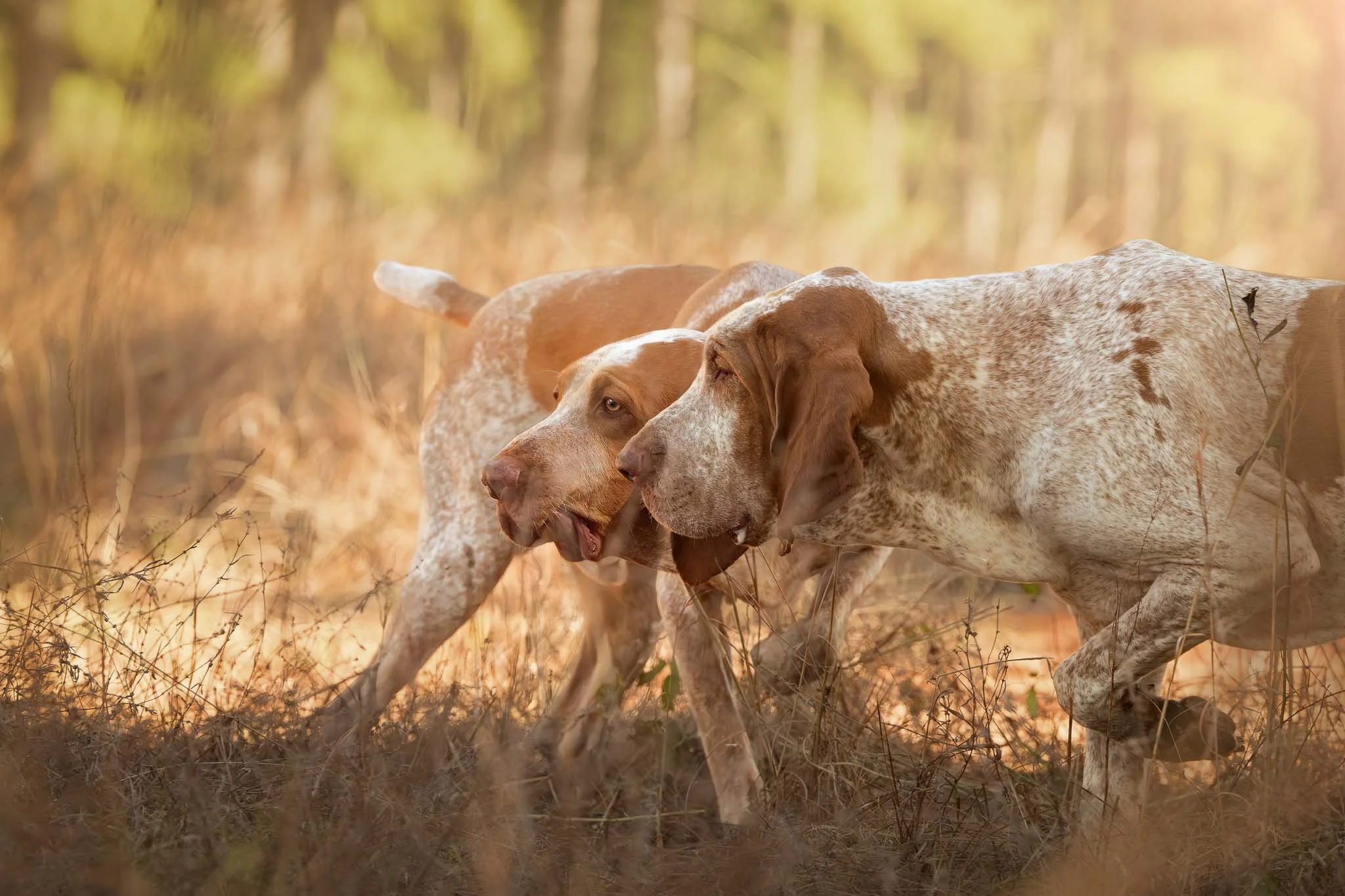
Origin: Italy Historic Role: Sporting and hunting, pointing and retrieving Temperament: Intelligent, loyal, eager, affectionate, cooperative, sensitive Distinctive Features: Long pendant ears, loose skin, sculpted head, athletic build, expressive eyes Heritage note: By the late 1800s, the Bracco Italiano had nearly disappeared due to poor breeding practices. Dedicated breeders worked to restore type and performance, eventually unifying regional variations to save the breed. Programs like Whiskey Hills Bracchi continue that preservation work today, prioritizing structure, health, and working ability.
What I See Through the Lens
Photographing an actual hunt is nothing like a portrait session.
There is no asking everyone to shift two steps left. No waiting for the light to cooperate. When a bird flushes, you move. You shoot while walking. You drop mid-stride and keep firing because if you stop, the moment is already gone.
One of my favorite images from that day happened exactly like that. A bird flushed. The dogs lunged forward. I was standing when it started. I would have loved to be at eye level, but if I had dropped first, I would have missed it entirely. So I walked and shot, then half-squatted while still tracking them.
It is a workout. It is absolutely worth it.
Because what you're capturing isn't just action.
It's proof.
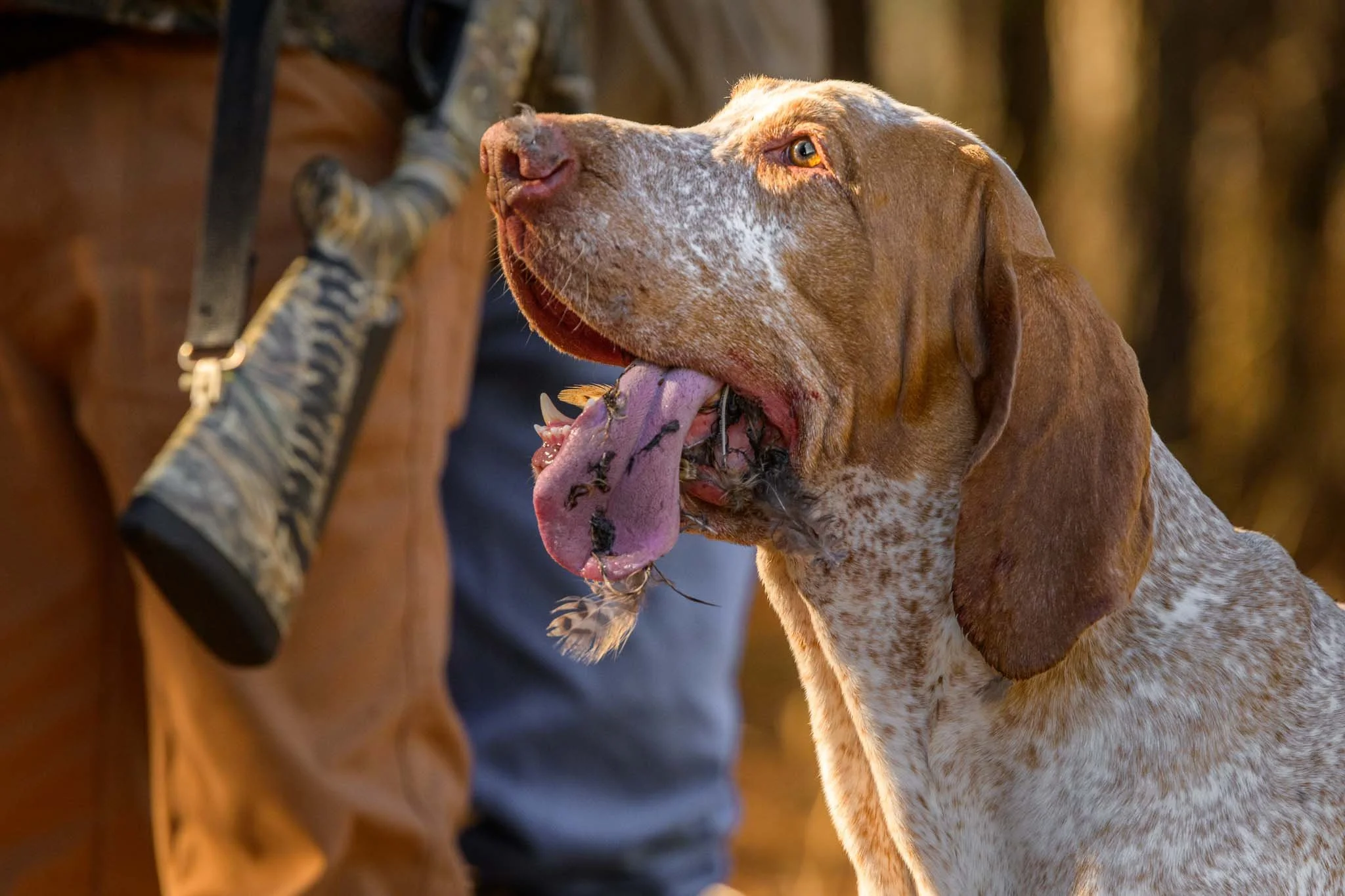
Proof of the way a Bracco moves through a field. That particular trot when they're scenting, rhythmic, purposeful, every step carrying intention. Proof of the intensity in their eyes when they lock onto a bird. With their loose skin you have to wait for the right moment or you lose the eyes in the folds. But when you catch it, the focus is undeniable.
Proof of tradition.
Proof that centuries of instinct are still right there, fully intact, waiting for the right field and the right bird.
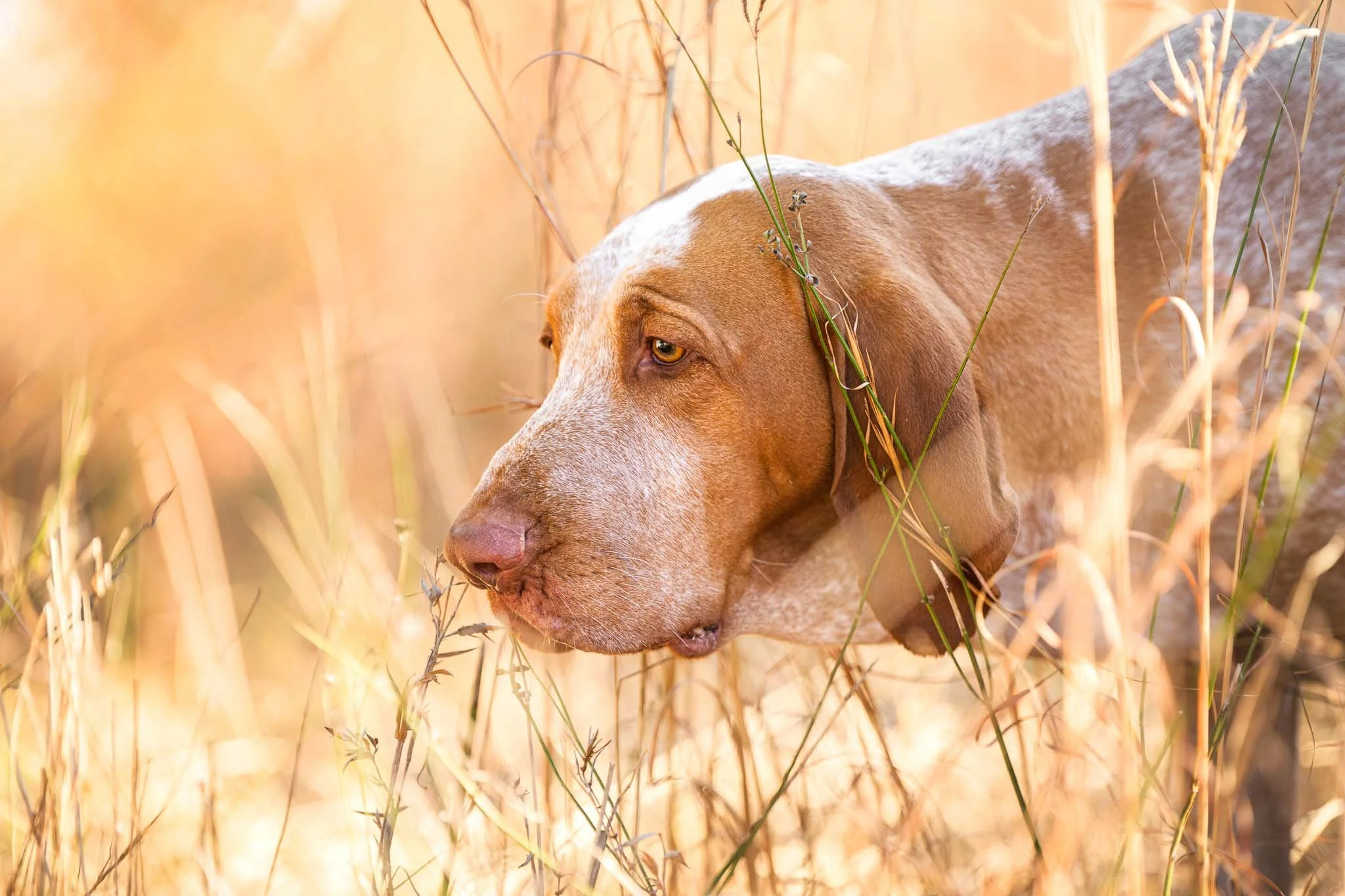
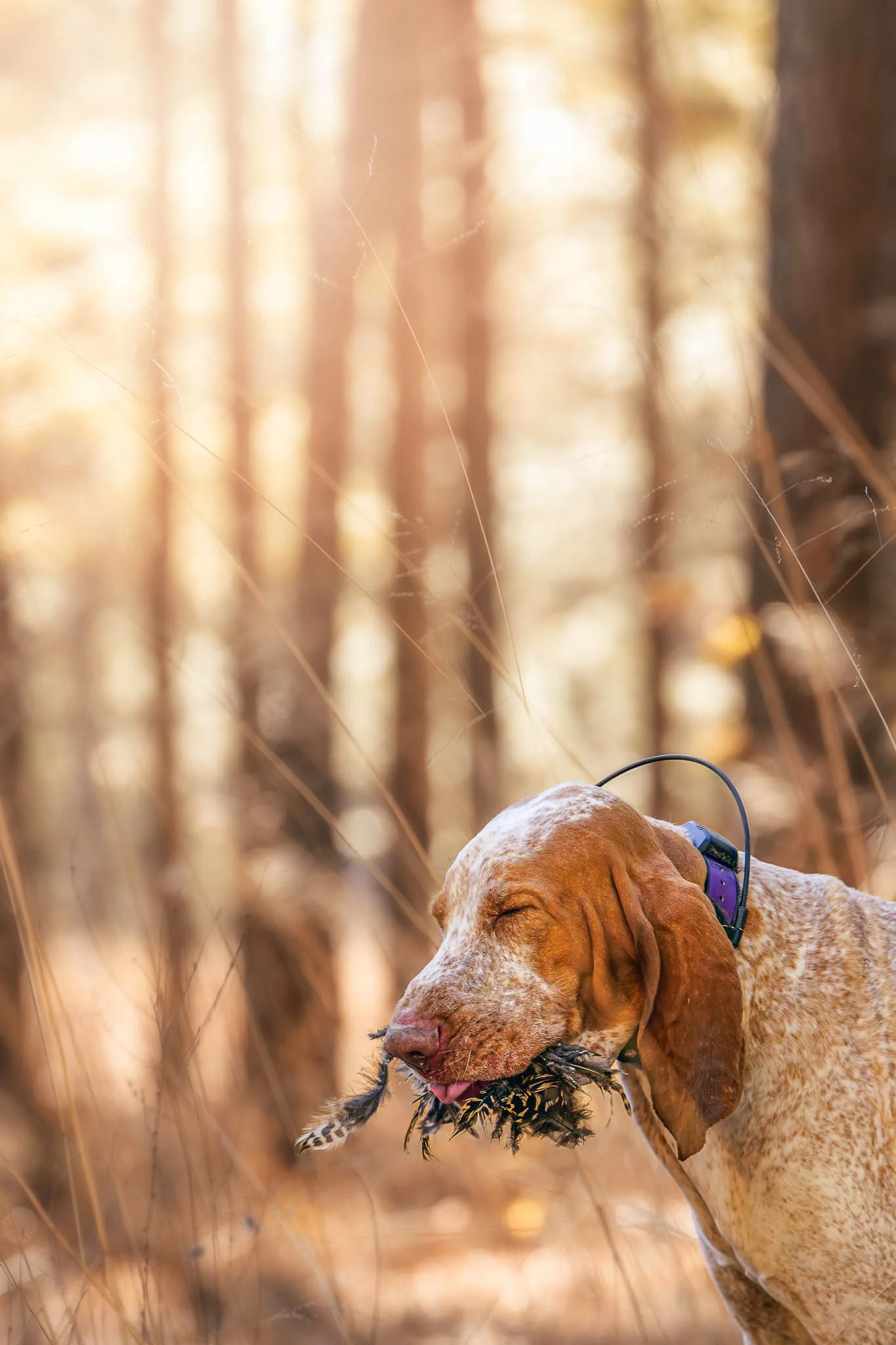
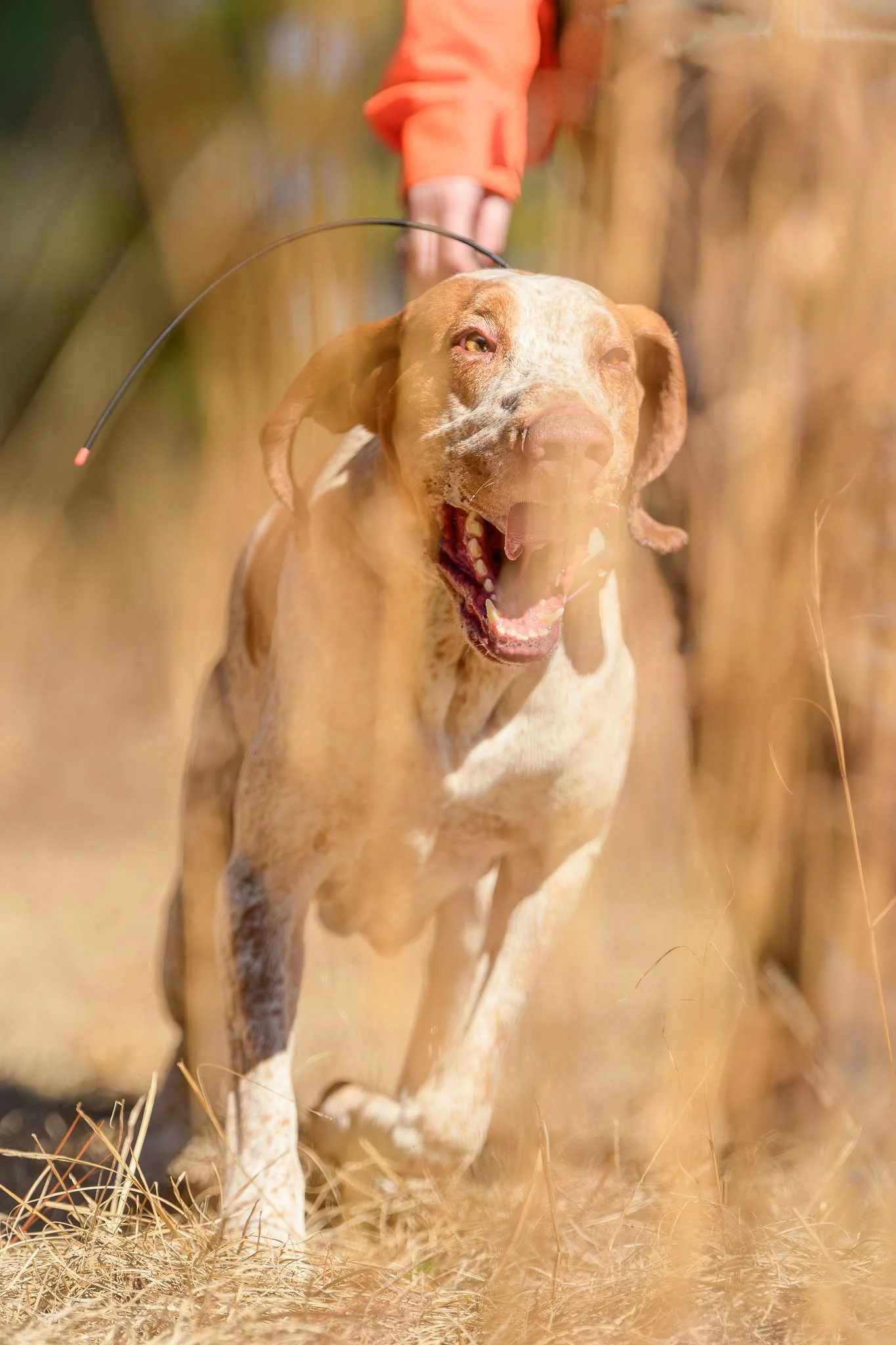
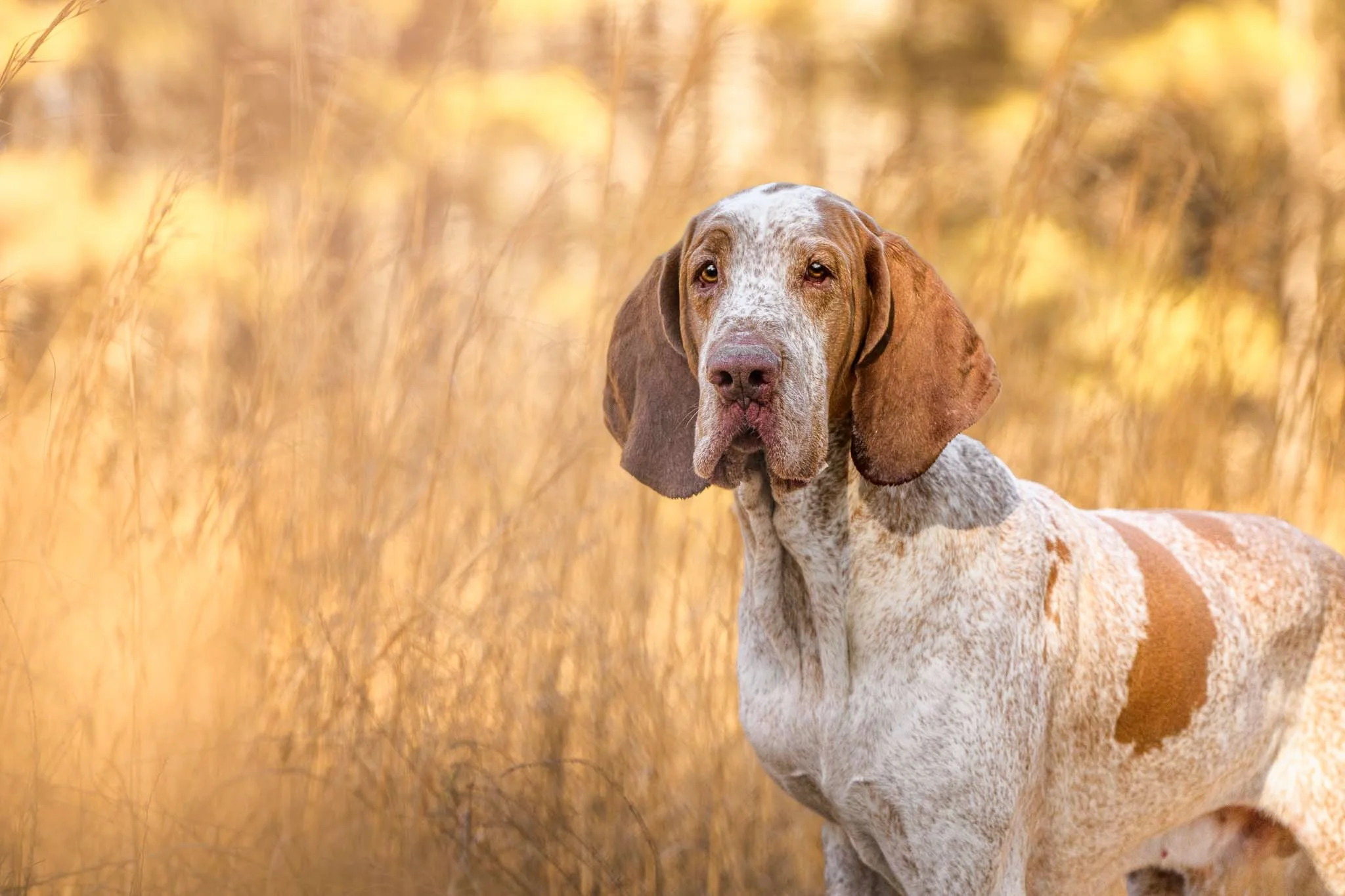
What Heritage Looks Like
At the very end of the hunt, we were walking back to the vehicles. Guns unloaded. Conversation relaxed. It felt finished.
Then the dogs slowed.
They drifted slightly away from us.
Kailee called out that they were on point.
Two birds.
We were done. Pascal and Rousseau were not. They wanted to tie up loose ends. It wasn't forced. It wasn't cued. No one asked them to.
It was instinct.
That is what heritage looks like.
Not a performance. Not a trick. A dog doing exactly what it was built to do, because that is simply who it is.
That’s the heart of the Heritage Canine series.
Tell Me About Your Bracco
If you share your life with a Bracco Italiano, or any sporting dog whose working heritage is part of the relationship, I would love to hear about them.
And if you've been thinking about documenting that partnership, the field work, the bond, the specific way your dog becomes fully itself when it's doing what it was bred to do, that is a session worth having.
Crystal Coast Dog Photography serves clients across Carteret County and the Crystal Coast of North Carolina and is available for travel throughout the Carolinas and beyond. Sporting dog and field sessions are some of my favorite work.
If you've been thinking about doing this, reach out and tell me about your dog.